Take Action
Reparations in Action
Building our climate justice future
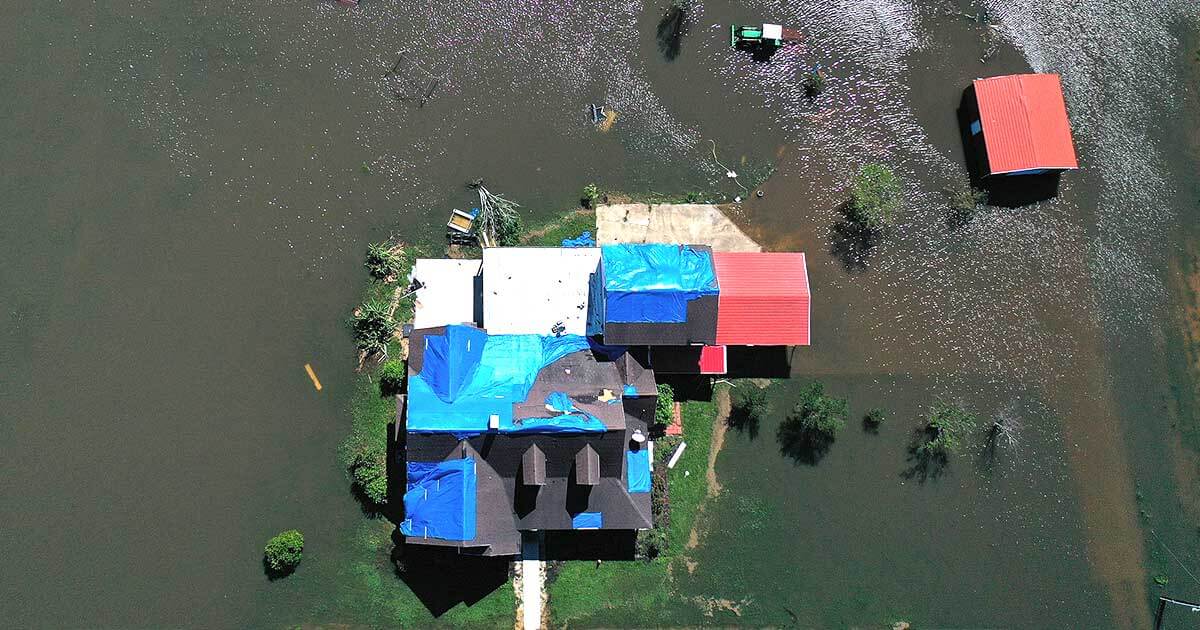
Through concrete reparations and community-led solutions, our partners are leading efforts that restore relationships, honor traditional knowledge, and enable people to shape their own futures. As the global community prepares for COP30, our partners—including those working in Haiti, where communities continue to demand reparations not only for climate loss and damage but for the historic harms of slavery and colonial debt— are generating momentum for meaningful commitments to loss and damage funding and showing what solidarity looks like when grounded in justice and self-determination.
A Few of Our Partners:
- Banaban Human Rights Defenders Network
- Isle de Jean Charles Biloxi-Chitimacha-Choctaw Tribe
- Mouvement Paysan de Papaye
- Mouvman Peyizan Nasyonal Kongre Papay (MPNKP)
Our Recommended Reading List:
- From Displacement to Resilience: The Banaban Journey
- Tribe-Led Relocation Thwarted
- Pacific Rising: A Strategic Approach for International Funders of Climate Justice Work
- Climate Reparations at the World’s Highest Court
- Hope from the Grassroots: Haiti
Host a Reparations Potluck in 3 Steps:
- Invite: Text 8-12 people: “Join me for a potluck where we’ll learn about climate reparations and make commitments to justice. Bring a dish! [Date/Time/Location]”
- Prepare: Set up a pledge wall with poster paper and sticky notes titled “Our Climate Reparations Commitments.” Review: Climate Justice Alliance’s Just Transition Primer and Movement Strategy Center’s Reparations Toolkit.
- Facilitate: Share one fact about climate reparations from the materials. Ask everyone to write a specific monthly commitment on sticky notes (e.g., contacting my elected leaders about loss/damage funding, sharing partner stories on social media, or donating $25 to frontline groups). Post commitments and photos for social media with #ReparationsInAction.
Spread the word!
Share and inspire others to take this action.
