
“As a Fijian woman,” writes UUSC’s Salote Soqo, “returning home to the land of my ancestors reconnects me to my culture and identity, reminds me of my responsibility to the vanua, and reaffirms my commitment to climate justice and accountability.”
Soqo serves as UUSC’s Director of Advocacy. She joined our Pacific Island partners for the 2025 Pacific Rising conference. Here, grassroots leaders met to discuss responses to the climate crisis. These organizations specifically address Non-Economic Loss and Damage (NELD) as they work to reclaim and preserve cultural practices and traditional knowledge while protecting communities from rising seas.
This Asian American and Pacific Islander (AAPI) Heritage Month, we’re reflecting on the urgent work of our partners. Their efforts to preserve ancestral land and traditional practices, addressing both the climate crisis and ongoing legacies of colonialism, ensure that Pacific Island cultures endure. Check out a few of their recent projects:
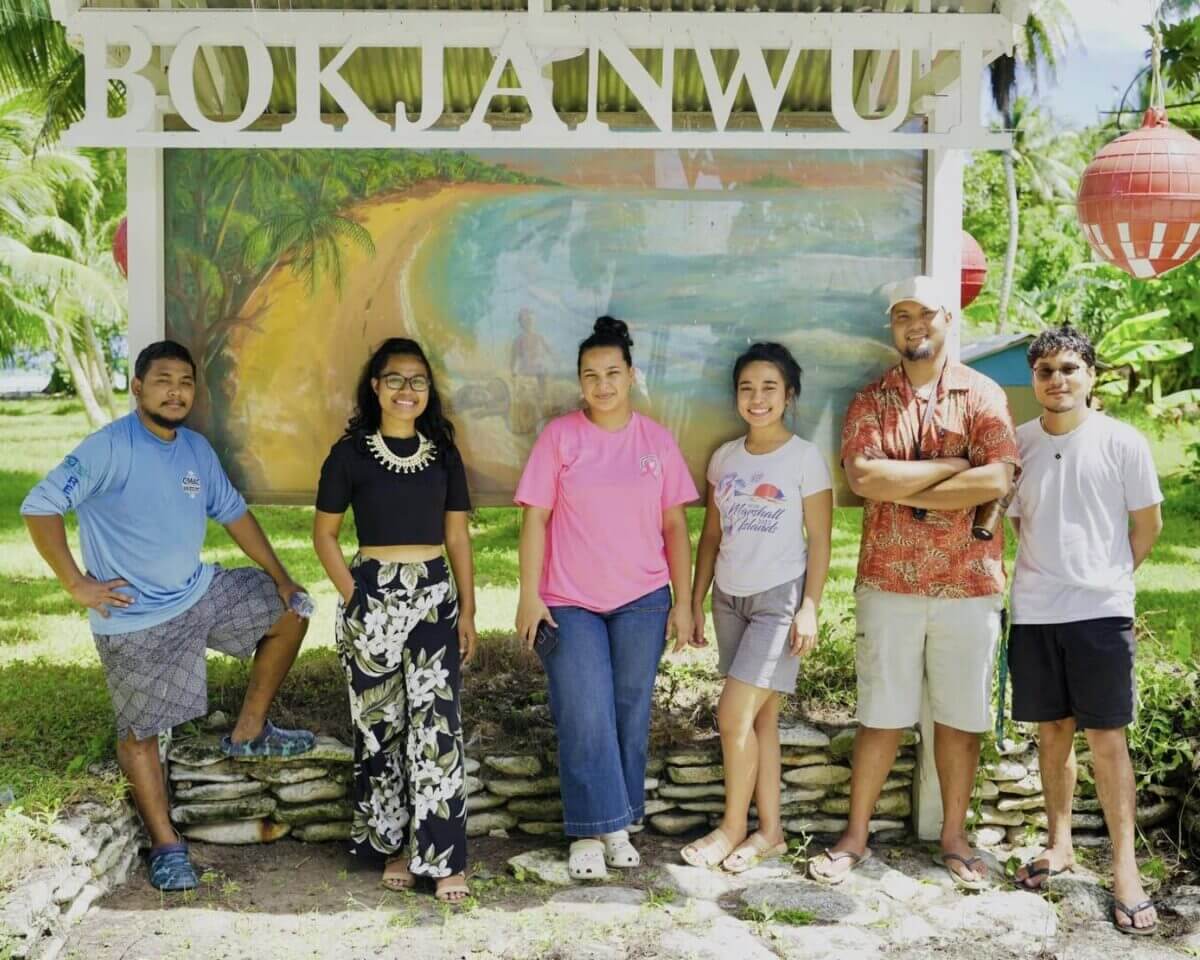
Jo-Jikum, Marshall Islands
Jo-Jikum is creating educational displays on public kiosks. These installations pinpoint landmarks that hold cultural significance, specifically ones that are vulnerable to the impacts of climate change. They support local youth in reclaiming their culture and inform visitors about the importance of cultural preservation. The solar-powered kiosks also inspire creativity in climate justice activism. Jo-Jikum’s work brings local stories to life, provides space for community to gather, and uses creativity to advocate for climate change solutions.
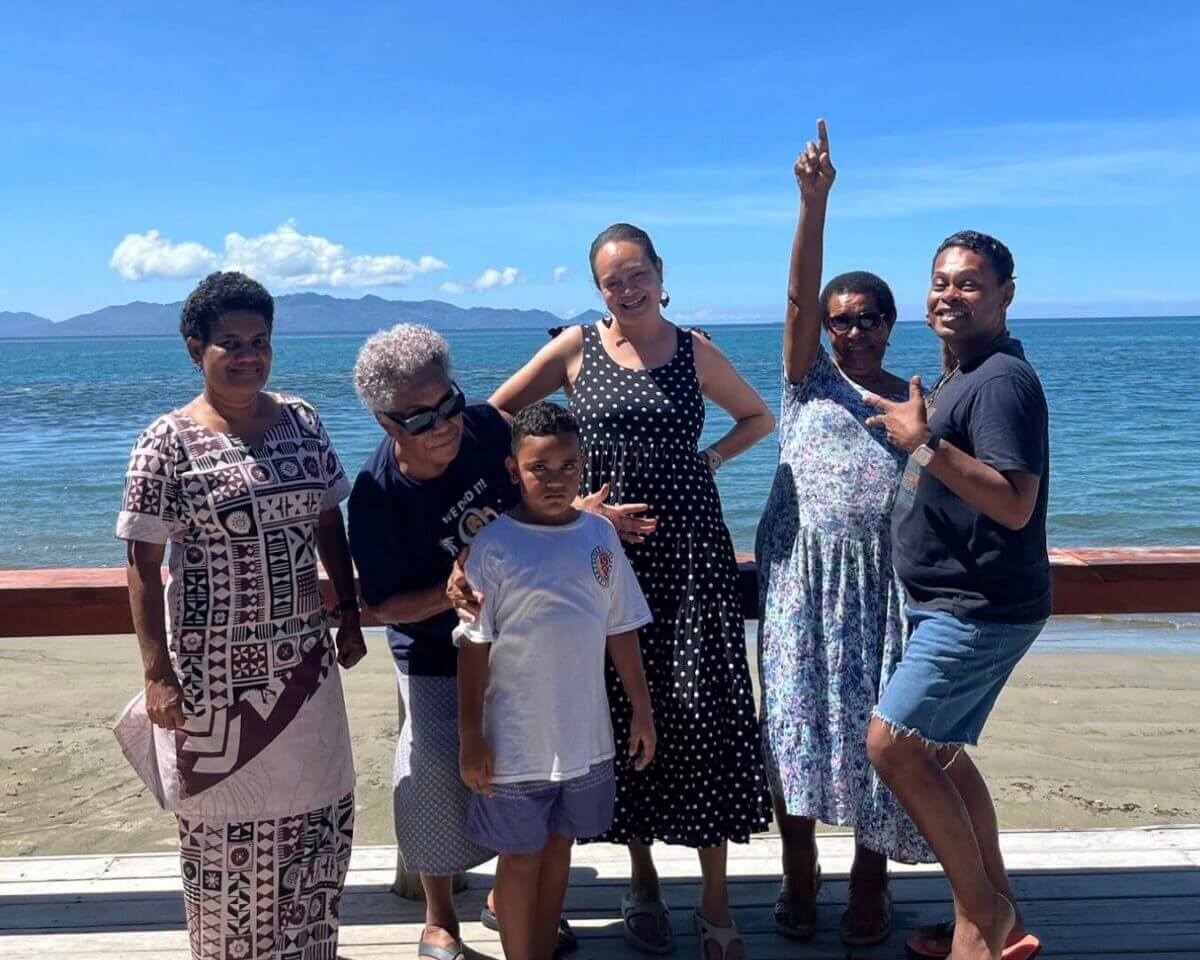
Climate Talk Fiji
Climate Talk Fiji recently published their groundbreaking report, “Climate Change and Human Mobility: Gender Dimensions and NELD.” The report uses data to further assert that the climate crisis has a disproportionate impact on women and gender expansive people. This critical work will guide the efforts of Pacific Island organizations, ensuring that environmental justice efforts incorporate gender equity. The report will also support grassroots organizations’ applications for further funding.

Tulele Peisa, The Autonomous Region of Bougainville (Papua New Guinea)
Tulele Peisa continues to lead the dignified relocation effort on the Carterets Islands, facilitating the relocation of 150 families (1,700 islanders) to safe and secure locations on mainland Bougainville. In addition, the organization works to revive and preserve cultural practices. Their youth education initiative teaches young people traditional skills, crafts, and rituals, fostering reverence through hands-on learning.
Pacific Island nations have contributed the least to the climate crisis, yet they face the most immediate, dire impacts due to the negligence of the Global North. Our partners are often the first line of defense, protecting communities and their culture.
During AAPI Heritage Month and beyond, we honor these leaders’ local and global impacts. Their work is essential to both their immediate communities and those in the AAPI diaspora. As Salote Soqo writes, “I believe that my children and their descendants will be able to visit the home of their ancestors with pride and dignity. I will work to make it so.” UUSC members and staff are in solidarity with our Pacific partners as we pursue climate justice and cultural reclamation.


